

Voluntary Indigenous Self-Identification
Sheridan is committed to providing services to support First Nations (Status/Non-Status), Métis and Inuit students' success and we encourage those to self-identify.
How to self-identify:
New Students: If you just applied to Sheridan and wish to self-identify as an Indigenous student, please:
- Log in to the Sheridan Application Portal.
- Select “Admissions 101”.
- Select “Indigenous Applications”
- On the left-hand side of the page, select “Indigenous Self-Declaration”.
- Read carefully and select all check boxes that apply including the “I wish to be identified as an Indigenous Student at Sheridan College” check box.
*If you are a new Indigenous applicant and wish to have your application supported through our Indigenous Admissions Policy process, please check the box and submit. You will be contacted by the Indigenous Admissions officer shortly after it has been received.
Current Students: If you did not self-identify following your initial application to Sheridan through the Application Portal and wish to do so now, please:
- Log in to myStudentCentre.
- In your dashboard, select the “Profile” tile.
- In the left-hand sidebar, select “Indigenous Self-Declaration”.
- Read carefully and select all check boxes that apply including the “I wish to be identified as an Indigenous Student at Sheridan College” check box.
Applying as an Indigenous student:
In Canada, ‘Indigenous’ refers to an individual who is recognized as “one of the aboriginal peoples of Canada” within the meaning of section 35 of the Constitution Act, 1982, which further specifies Indigenous peoples being “First Nations, Inuit, and Métis peoples of Canada”.
What is self-identification?
In accordance with Sheridan’s admissions procedures, by declaring Indigenous identity, you will be linked with Sheridan staff who will provide support during the application, admission and transition process (Admissions, Financial Aid and Awards, Indigenous Office).
Why is it important to self-identify as an Indigenous student?
It allows our Indigenous advisors a chance to connect with you about any supports available to you and it makes you eligible for the Indigenous admission policy.
Self-identification is voluntary and confidential. All collected information is confidential and will not be shared, as outlined in the Freedom of Information and Protection of Privacy Act. The information will only be used to help us provide relevant support, services and resources.
What is the Indigenous Applicant Admission Policy and process?
Sheridan College has identified a number of seats in our programs that are reserved for Indigenous applicants. Designated seats will be filled by Indigenous applicants on a competitive basis. In order to be considered for these designated seats, Indigenous applicants must apply and confirm intent to be considered through the Admission Policy by the February 1 equal consideration deadline, or before the program is closed or waitlisted.
To qualify for consideration under this process, you must follow these steps:
- Apply to Sheridan.
- Self-Identify as Indigenous and confirm intent to be considered for the Indigenous Application Policy via email sent from Admissions Office or through Admissions Portal – “Admissions 101”.
- You must meet the definition of an Indigenous applicant – Admissions/CILS will provide details.
- You must meet the minimum admission requirements as indicated in the general admission requirements for Sheridan as well as any program specific admission requirements or supplemental/portfolio assignments – details to be discussed with Admissions officer.
If the number of Indigenous applicants exceeds the number of designated seats, the applicants will be ranked on a competitive basis within the Indigenous applicant pool.
Student recruitment
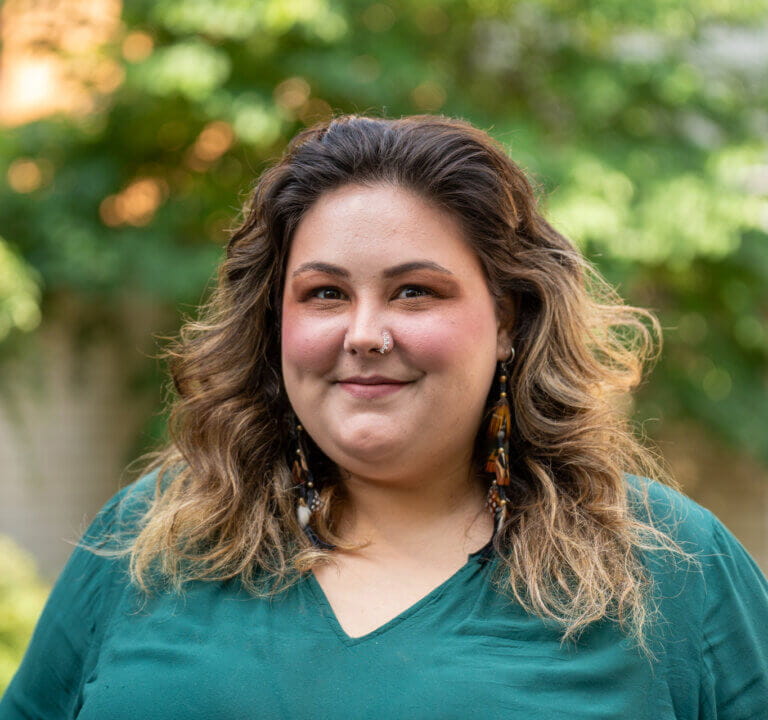 For any more questions, please feel free to connect with our student Outreach and Recruitment Advisor for any questions related to admissions, program information, OCAS, band funding or your transition into Post-secondary education! We look forward to meeting you!
emily.faubert@sheridancollege.ca
Frequently Asked Questions
-
I don’t have an Indigenous “Indian Status”, Métis citizenship or membership or Inuit Trust, am I still eligible for the Indigenous Admission?
If you have any concerns about the proof of ancestry requirement or circumstances that have prevented you from obtaining the above identification, please contact the Centre for Indigenous Learning and Support (cils@sheridancollege.ca), with the subject heading “Assistance required with Proof of Ancestry Requirement”.
-
I do not wish to be considered under the Indigenous Admission policy. Is this holding up my application with Sheridan College?
No, students who do not want to be considered under the Indigenous Admission policy will still be considered with the general pool of applicants.
-
If I choose not to use the Indigenous Admission Policy, can I still access Indigenous Services as a student?
Absolutely! The Centre for Indigenous Learning and Support is open for all students attending Sheridan to access support and guidance. Feel free to drop by or contact us at cils@sheridancollege.ca to connect!
-
Who has access to my responses?
Access to self-identification is limited. Only specifically designated staff in the Centre for Indigenous Learning and Support and the Office of the Registrar will have access to self-identification information. If consent is given, your name and email address will be provided to these Sheridan departments if you authorize the disclosure of your contact information during the self-identification process.
-
Will proof of ancestry be required?
Proof of ancestry will not be required to complete the self-identification process. However, documentation may be required to maintain eligibility for certain academic initiatives, scholarships, or bursaries. You may be asked to provide proof of identification for the Indigenous Admission Policy under applicant selection.
-
Can I identify with more than one ancestry?
Yes. Definitions are provided to help you accurately identify which group(s) you belong to in the question inquiring about Indigenous identity. Should you feel that none of these categories accurately reflect your identity as an Indigenous person, the “Alternative identity term’ category can be selected for you to generate your own identifying term (e.g. Anishinaabe, Haudenosaunee, Treaty 3, etc.).